Silence 300 ms recorded transcript
cut offThe line heard: “I need to change the delivery address on my order.”
Of course. Which order is it?
The turn ended at Ravi’s first pause; the assistant asks for the order number he was about to give.
Module 17 · Voice
Put Larkspur’s assistant on the phone. Here you follow a call through its three stages, time the wait, decide when a caller has finished, let them interrupt, catch a misheard order number, and tune the line over five calls. Every clip has a play button and its words: the sound is optional.
The whole idea in one example
The line heard: “I need to change the delivery address on my order.”
Of course. Which order is it?
The turn ended at Ravi’s first pause; the assistant asks for the order number he was about to give.
The line heard: “I need to change the delivery address on my order. It’s order 1051. Can it go to our new site on Mill Road?”
Order ten fifty-one has already left us. I've asked the carrier to take it to Mill Road instead.
The whole request was heard: order, change and address, so the assistant can act on it.
Ravi said: “I need to change the delivery address on my order. It's order ten fifty-one. Can it go to our new site on Mill Road?” The turn detector ran over his clip’s audio when this page was built; the transcripts and replies were written for this site and the voices generated once, ahead of time. The waits use Larkspur’s illustrative stage times, not any provider’s.
How it works
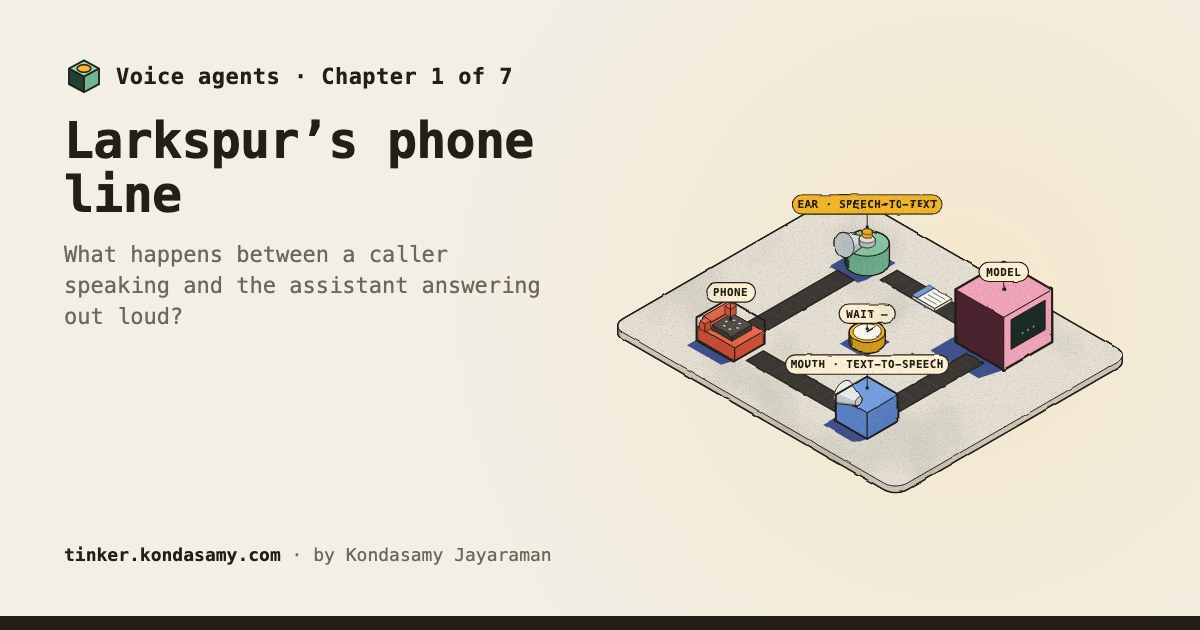
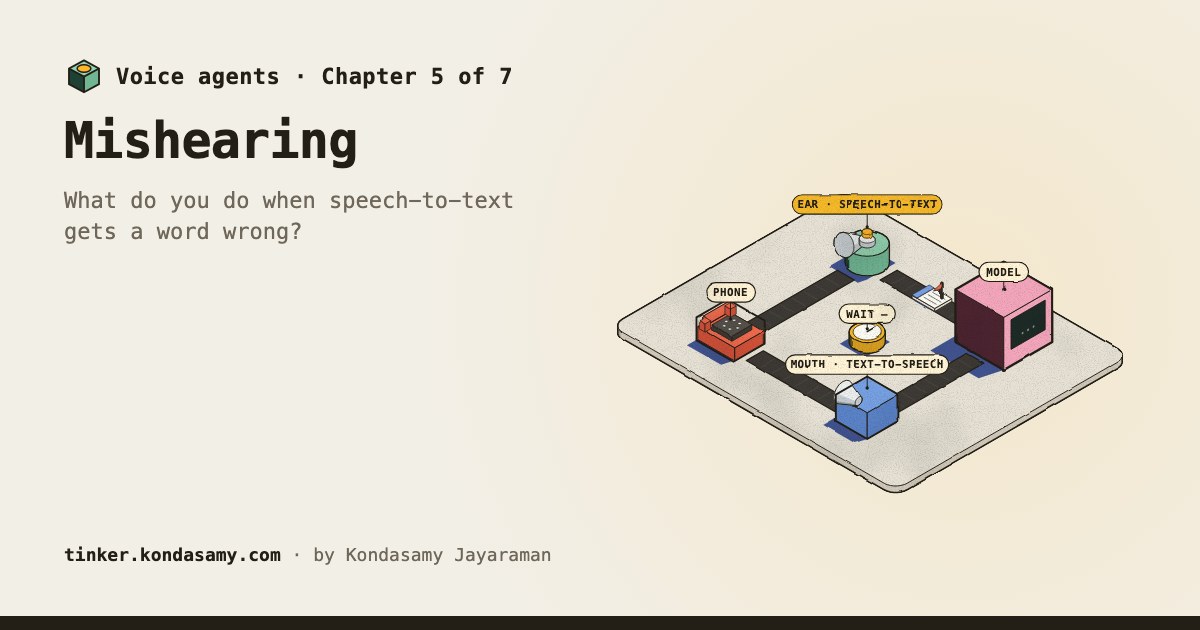
Speech-to-text, the model, text-to-speech, each handing on its work
OpenAI suggests the chained path (speech-to-text, a text agent, text-to-speech) when each stage needs to be visible or replaceable: you can store the transcript and run policy checks before the agent responds.
Source, checked 21 October 2026
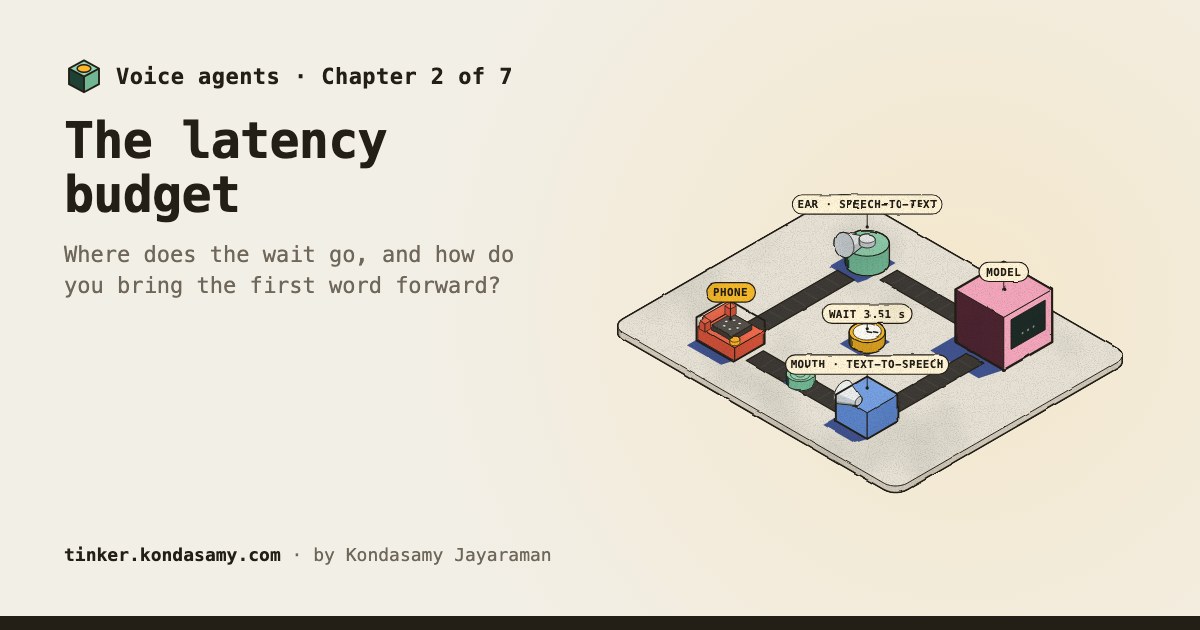
The stages’ times add up; streaming brings the first word forward
Stivers and colleagues (2009) timed replies in conversation across 10 languages: in every one, the most common gap before a reply was between 0 and 200 ms, and the mean over all of them was 208 ms.
Source, checked 21 October 2026
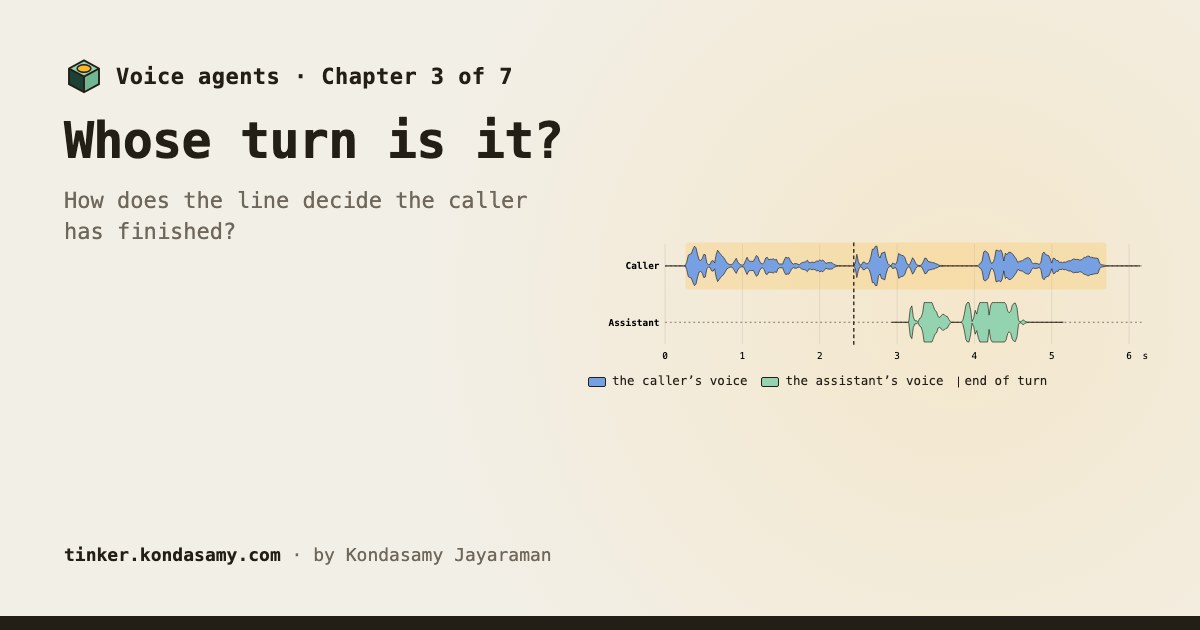
A silence setting ends the turn: too short cuts callers off, too long leaves dead air
OpenAI’s server VAD takes a threshold (a higher one needs louder audio to count as speech, which can help in noisy places) and silence_duration_ms, how long the silence must last before the turn ends.
Source, checked 21 October 2026
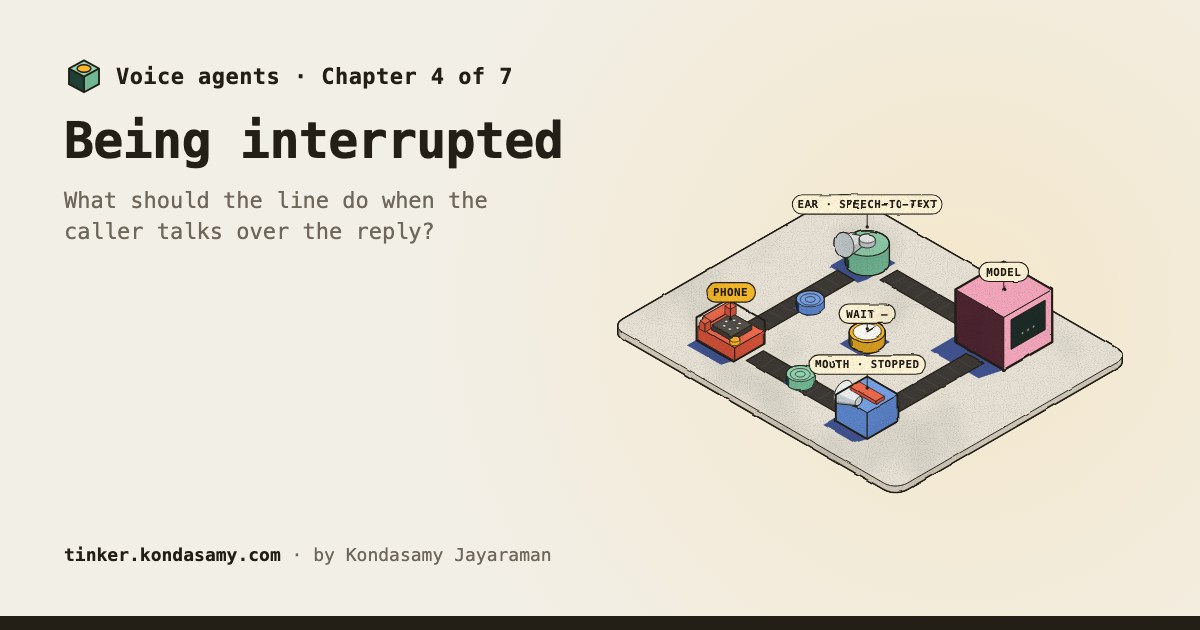
Stop speaking, listen, and keep only what was said
When Gemini Live detects an interruption, the reply it was generating is cancelled and discarded, and only what was already sent to the client is kept in the session history.
Source, checked 21 October 2026
Read an unsure number back before acting on it
Gemini Live can return text transcriptions of both the audio coming in and the audio going out, alongside the model’s reply.
Source, checked 21 October 2026
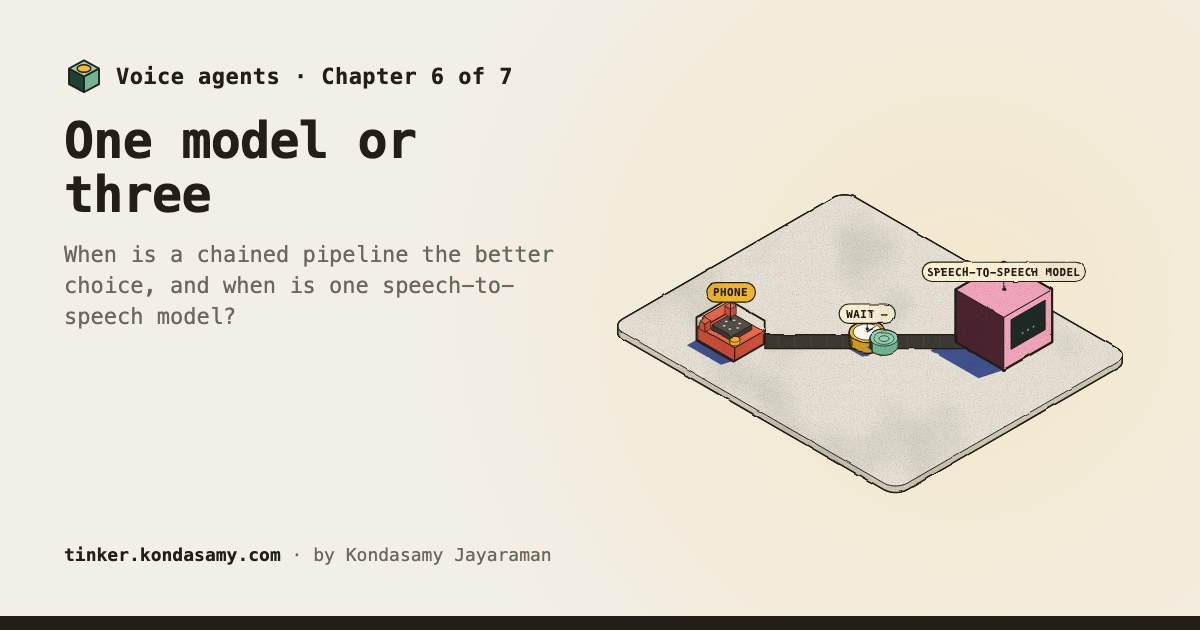
Speech to speech, or a chained line with a transcript to check
OpenAI describes speech-to-speech as one model that interprets audio, decides what to do and responds in speech, with the session handling audio turns, tools and interruptions.
Source, checked 21 October 2026
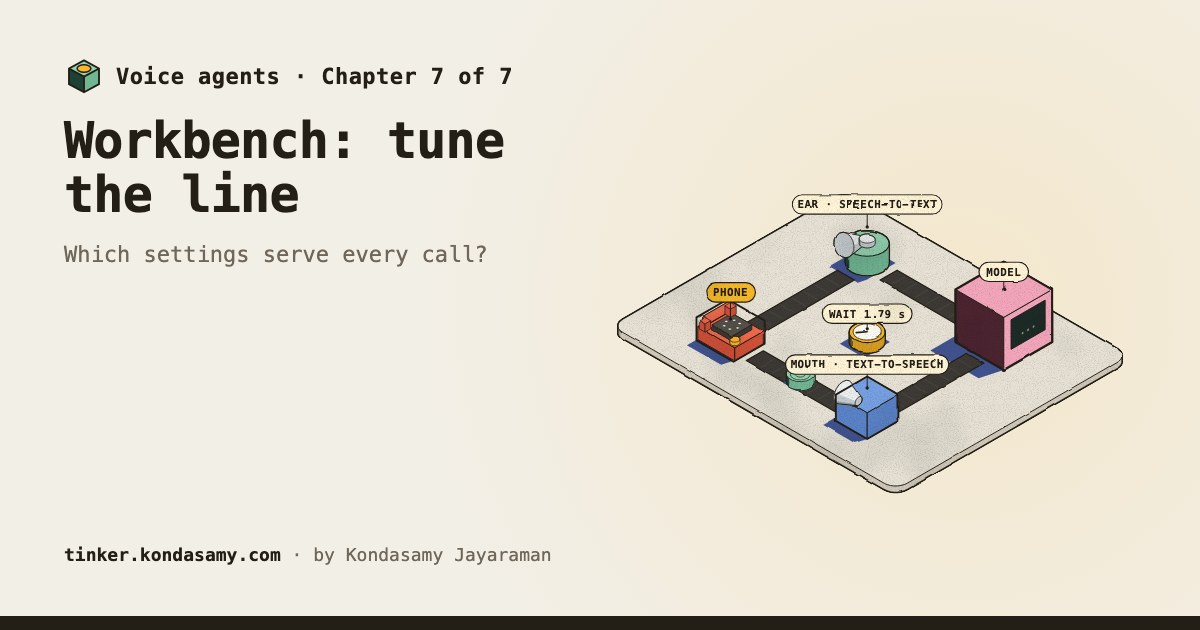
On the workbench’s best line the five calls wait 8.88 s in all, with no caller cut off. A misheard number on a line without read-back: “Hi, can you check on order 2650?”.
The story
Larkspur Supply Co. puts its assistant on the phone: customers call, speak, pause, talk over it and read out order numbers, and the team has to make the line feel like a conversation. You’re on the team that makes the line feel like a conversation.
Tool calling built the order lookup the assistant uses on every call.
Your path
Chapter 1 · done
What happens between a caller speaking and the assistant answering out loud?
Chapter 2 · done
Where does the wait go, and how do you bring the first word forward?
Chapter 6 · done
When is a chained pipeline the better choice, and when is one speech-to-speech model?
Product managers, engineers and analysts putting an assistant on a phone line or behind a microphone. Tool calling comes first; no code or maths needed, and no microphone: nothing you do here records you.